
Rwenzori Mountains National Park | Uganda’s Highest Mountain
Experience Rwenzori Mountains
Rwenzori Mountains: The Legendary “Mountains of the Moon”
Soaring majestically along the boundary between Uganda and the Democratic Republic of the Congo, the Rwenzori Mountains—also known as the “Mountains of the Moon”—rise over western Uganda. From tropical snow-capped summits to verdant montane woodlands and moorlands, this 120km-long and 65km-wide mountain range has some of Africa’s most spectacular and varied scenery.
The park’s worldwide biological value was recognised with its gazette in 1991, UNESCO World Heritage Site designation in 1994, and Ramsar Wetland of International Importance designation in 2008, following which.
Rwenzori Mountains Facts
Altitude: 5,109 m | Park Entry Fees: FNR USD$35 | Park Fees: East African UGX15,000 | Park Size: 996km2 | Park Location: Bundibugyo District
Rwenzori Mountains National Park
The Roof of Uganda: Margherita Peak (5,109m)
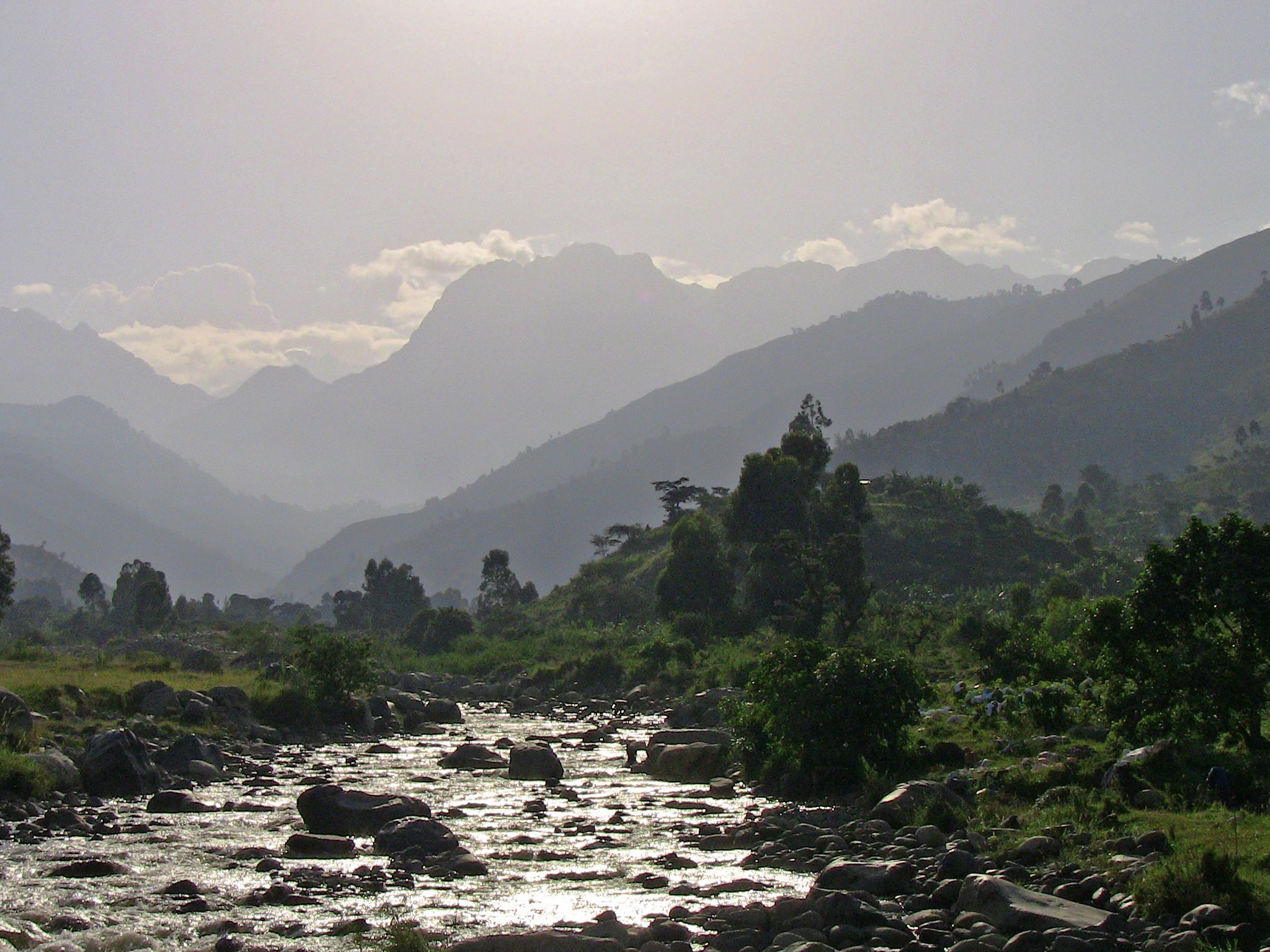
The Rwenzori Mountains are home to Africa’s third-highest summit, Margherita summit (5,109m) atop Mount Stanley. The Rwenzoris, in contrast to East African volcanic giants like Kilimanjaro and Mount Elgon, were produced by tectonic action, with huge granite blocks extruded from the floor of the Western Rift Valley.
In the year 150 AD, the Alexandrine geographer Ptolemy recorded the Rwenzoris for the first time. He called them the “Mountains of the Moon” and thought they were where the Nile River began. The Rwenzoris were formally added to the globe map on May 24, 1888, by explorer Henry Stanley. Stanley recorded the name “Ruwenzori,” which means “Rain-Maker” or “Cloud-King” in the native language.
Ms. Beryl Park achieved history in 2010 at the age of 78 by becoming the oldest climber to ascend Margherita Peak; this proves that the Rwenzoris persist in presenting challenges and opportunities for adventurers of all ages.
A Landscape Like No Other
Rich montane forests, bamboo groves, and expansive moorlands characterise the lower slopes of the Rwenzoris, making them a magical destination. Huge lobelias, tree heathers, and “everlasting flowers” flourish among moss-draped rocks in an exotic botanical wonderland that becomes more apparent as one ascends in elevation.
Located in the Rwenzori mountain range, this park is home to 217 bird species, 70 mammal species, 19 avian endemics to the Albertine Rift, and some of the most endangered plant species in the world. Because of its many ecosystems, it is a prime location for wildlife preservation efforts.
A World-Class Hiking & Mountaineering Destination
If you’re looking for a challenging and rewarding walk in Africa, look no further than the Rwenzori Mountains.
Summit Climbers: Reaching Margherita Peak requires a 9- to 12-day technical ascent, best suited for experienced mountaineers.
Mid-Level Treks: Shorter, non-technical treks allow climbers to explore the stunning landscapes and reach lower peaks without the extreme challenge of summiting.
Cultural & Nature Walks: For visitors who prefer a less strenuous experience, the neighboring Bakonzo villages offer:
Guided nature walks
Homestead visits
Traditional cultural performances
Authentic home-cooked cuisine
Why Visit the Rwenzoris?
- The “Mountains of the Moon” – A legendary and historic range
- Africa’s third-highest peak – A true mountaineering challenge
- UNESCO World Heritage Site – A globally significant conservation area
- Rare flora and fauna – Unique species found nowhere else
- Hiking for all levels – From summit climbs to easy nature walks
- Rich cultural experiences – Discover the traditions of the Bakonzo people
Amazing cultural traditions, old forests, and snow-capped mountains come together in the Rwenzori Mountains to create a one-of-a-kind journey. No matter your level of climbing expertise, whether you love trekking or are just a curious traveller looking for cultural experiences, the Rwenzoris will provide you a memorable experience.